Waterborne Diseases
Waterborne diseases can have a significant impact on the economy, locally as well as internationally. People who are infected by a waterborne disease are usually confronted with related costs and not seldom with a huge financial burden. This is especially the case in less developed countries. The financial losses are mostly caused by e.g. costs for medical treatment and medication, costs for transport, special food, and by the loss of manpower. Many families even sell their land to pay for treatment in a proper hospital. On the average, a family spends about 10% of her monthly households income on treatment of varying water borne diseases.


|
|||||||
|---|---|---|---|---|---|---|---|
| Disease and Transmission | Microbial Agent | Sources of Agent in Water Supply | General Symptoms | ||||
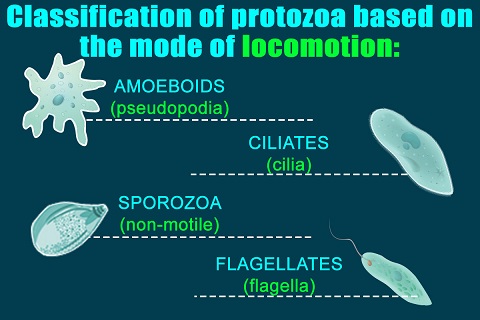
| Acanthamoeba keratitis (cleaning of contact lenses with contaminated water) | Acanthamoeba spp. (A. castellanii and A. polyphaga) | widely-distributed free-living amoebae found in many types of aquatic environments, including surface water, tap water, swimming pools, and contact lens solutions | Eye pain, eye redness, blurred vision, sensitivity to light, sensation of something in the eye, and excessive tearing | ||||
| Amoebiasis (hand-to-mouth) | Protozoan (Entamoeba histolytica) (Cyst-like appearance) | Sewage,non-treated drinking water, flies in water supply, saliva transfer(if the other person has the disease) | Abdominal discomfort, fatigue, weight loss, diarrhea, bloating, fever | ||||
| Cryptosporidiosis (oral) | Protozoan (Cryptosporidium parvum) | Collects on water filters and membranes that cannot be disinfected, animal manure, seasonal runoff of water. | Flu-like symptoms, watery diarrhea, loss of appetite, substantial loss of weight, bloating, increased gas, nausea | ||||
| Cyclosporiasis | Protozoan parasite (Cyclospora cayetanensis) | Sewage, non-treated drinking water | cramps, nausea, vomiting, muscle aches, fever, and fatigue | ||||
| Giardiasis (fecal-oral) (hand-to-mouth) | Protozoan (Giardia lamblia) Most common intestinal parasite | Untreated water, poor disinfection, pipe breaks, leaks, groundwater contamination, campgrounds where humans and wildlife use same source of water. Beavers and muskrats create ponds that act as reservoirs for Giardia. | Diarrhea, abdominal discomfort, bloating, and flatulence | ||||
| Microsporidiosis | Protozoan phylum (Microsporidia), but closely related to fungi | Encephalitozoon intestinalis has been detected in groundwater, the origin of drinking water | Diarrhea and wasting in immunocompromised individuals. | ||||
| Naegleriasis (primary amebic meningoencephalitis [PAM]) (nasal) | Protozoan (Naegleria fowleri) (Cyst-like appearance) | Watersports, non-chlorinated water | Headache, vomiting, confusion, loss of balance, light sensitivity, hallucinations, fatigue, weight loss, fever, and coma | ||||
|
|||||||
|---|---|---|---|---|---|---|---|
| Disease and Transmission | Microbial Agent | Sources of Agent in Water Supply | General Symptoms | ||||
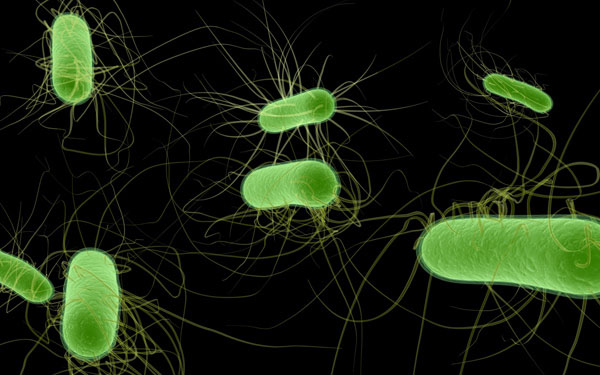
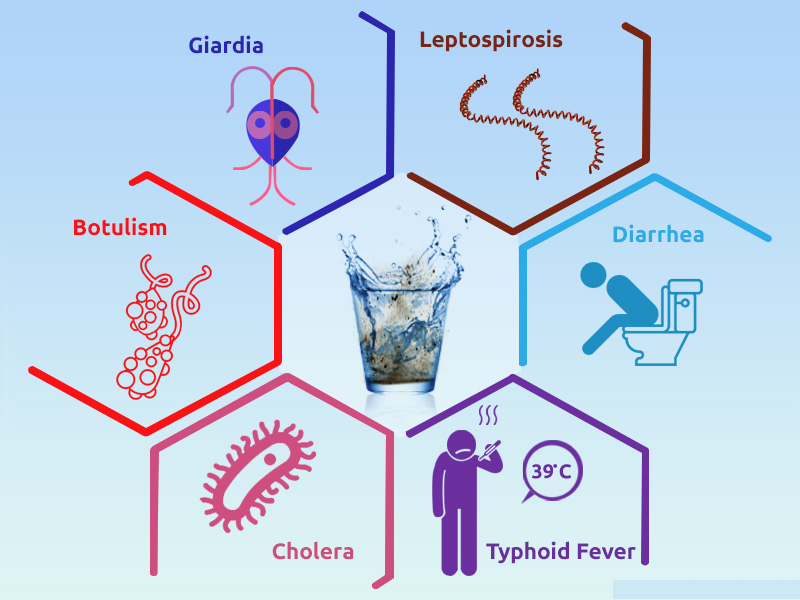
| Botulism | Clostridium botulinum | Bacteria can enter an open wound from contaminated water sources. Can enter the gastrointestinal tract through consumption of contaminated drinking water or (more commonly) food | Dry mouth, blurred and/or double vision, difficulty swallowing, muscle weakness, difficulty breathing, slurred speech, vomiting and sometimes diarrhea. Death is usually caused by respiratory failure. | ||||
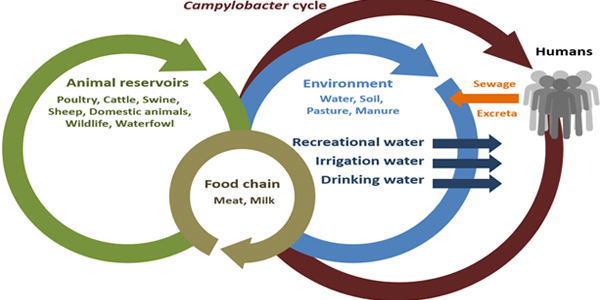
| Campylobacteriosis | Most commonly caused by Campylobacter jejuni | Drinking water contaminated with feces | Produces dysentery-like symptoms along with a high fever. Usually lasts 2–10 days. | ||||
| Cholera | Spread by the bacterium Vibrio cholerae | Drinking water contaminated with the bacterium | In severe forms it is known to be one of the most rapidly fatal illnesses known. Symptoms include very watery diarrhea, nausea, cramps, nosebleed, rapid pulse, vomiting, and hypovolemic shock (in severe cases), at which point death can occur in 12–18 hours. | ||||
| E. coli Infection | Certain strains of Escherichia coli (commonly E. coli) | Water contaminated with the bacteria | Mostly diarrhea. Can cause death in immunocompromised individuals, the very young, and the elderly due to dehydration from prolonged illness. | ||||
| M. marinum infection | Mycobacterium marinum | Naturally occurs in water, most cases from exposure in swimming pools or more frequently aquariums; rare infection since it mostly infects immunocompromised individuals | Symptoms include lesions typically located on the elbows, knees, and feet (from swimming pools) or lesions on the hands (aquariums). Lesions may be painless or painful. | ||||
| Dysentery | Caused by a number of species in the genera Shigella and Salmonella with the most common being Shigella dysenteriae | Water contaminated with the bacterium | Frequent passage of feces with blood and/or mucus and in some cases vomiting of blood. | ||||
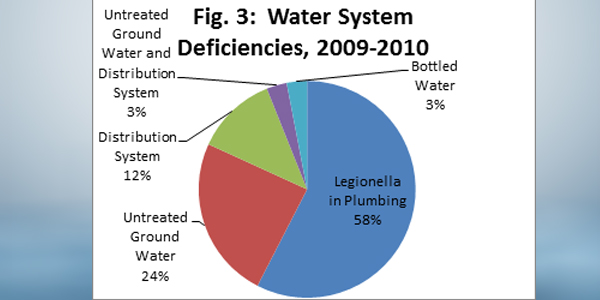
| Legionellosis (two distinct forms: Legionnaires' disease and Pontiac fever) | Caused by bacteria belonging to genus Legionella (90% of cases caused by Legionella pneumophila) | Legionella is a very common organism that reproduces to high numbers in warm water; but only causes severe disease when aerosolized. | Pontiac fever produces milder symptoms resembling acute influenza without pneumonia. Legionnaires' disease has severe symptoms such as fever, chills, pneumonia (with cough that sometimes produces sputum), ataxia, anorexia, muscle aches, malaise and occasionally diarrhea and vomiting | ||||
| Leptospirosis | Caused by bacterium of genus Leptospira | Water contaminated by the animal urine carrying the bacteria | Begins with flu-like symptoms then resolves. The second phase then occurs involving meningitis, liver damage (causes jaundice), and renal failure | ||||
| Otitis Externa (swimmer's ear) | Caused by a number of bacterial and fungal species. | Swimming in water contaminated by the responsible pathogens | Ear canal swells, causing pain and tenderness to the touch | ||||
| Salmonellosis | Caused by many bacteria of genus Salmonella | Drinking water contaminated with the bacteria. More common as a food borne illness. | Symptoms include diarrhea, fever, vomiting, and abdominal cramps | ||||
| Typhoid fever | Salmonella typhi | Ingestion of water contaminated with feces of an infected person | Characterized by sustained fever up to 40 °C (104 °F), profuse sweating; diarrhea may occur. Symptoms progress to delirium, and the spleen and liver enlarge if untreated. In this case it can last up to four weeks and cause death. Some people with typhoid fever develop a rash called "rose spots", small red spots on the abdomen and chest. | ||||
| Vibrio Illness | Vibrio vulnificus, Vibrio alginolyticus, and Vibrio parahaemolyticus | Can enter wounds from contaminated water. Also acquired by drinking contaminated water or eating undercooked oysters. | Symptoms include abdominal tenderness, agitation, bloody stools, chills, confusion, difficulty paying attention (attention deficit), delirium, fluctuating mood, hallucination, nosebleeds, severe fatigue, slow, sluggish, lethargic feeling, weakness. | ||||
|
|||||||
|---|---|---|---|---|---|---|---|
| Disease and Transmission | Viral Agent | Sources of Agent in Water Supply | General Symptoms | ||||
| SARS (Severe Acute Respiratory Syndrome) | Coronavirus | Manifests itself in improperly treated water | Symptoms include fever, myalgia, lethargy, gastrointestinal symptoms, cough, and sore throat | ||||
| Hepatitis A | Hepatitis A virus (HAV) | Can manifest itself in water (and food) | Symptoms are only acute (no chronic stage to the virus) and include Fatigue, fever, abdominal pain, nausea, diarrhea, weight loss, itching, jaundice and depression. | ||||
| Hepatitis E (fecal-oral) | Hepatitis E virus (HEV) | Enters water through the feces of infected individuals | Symptoms of acute hepatitis (liver disease), including fever, fatigue, loss of appetite, nausea, vomiting, abdominal pain, jaundice, dark urine, clay-colored stool, and joint pain | ||||
| Acute gastrointestinal illness [AGI] (fecal-oral; spread by food, water, person-to-person, and fomites) | Norovirus | Enters water through the feces of infected individuals | Diarrhea, vomiting, nausea, stomach pain | ||||
| Poliomyelitis (Polio) | Poliovirus | Enters water through the feces of infected individuals | 90-95% of patients show no symptoms, 4-8% have minor symptoms (comparatively) with delirium, headache, fever, and occasional seizures, and spastic paralysis, 1% have symptoms of non-paralytic aseptic meningitis. The rest have serious symptoms resulting in paralysis or death | ||||
| Polyomavirus infection | Two of Polyomavirus: JC virus and BK virus | Very widespread, can manifest itself in water, ~80% of the population has antibodies to Polyomavirus | BK virus produces a mild respiratory infection and can infect the kidneys of immunosuppressed transplant patients. JC virus infects the respiratory system, kidneys or can cause progressive multifocal leukoencephalopathy in the brain (which is fatal). | ||||